
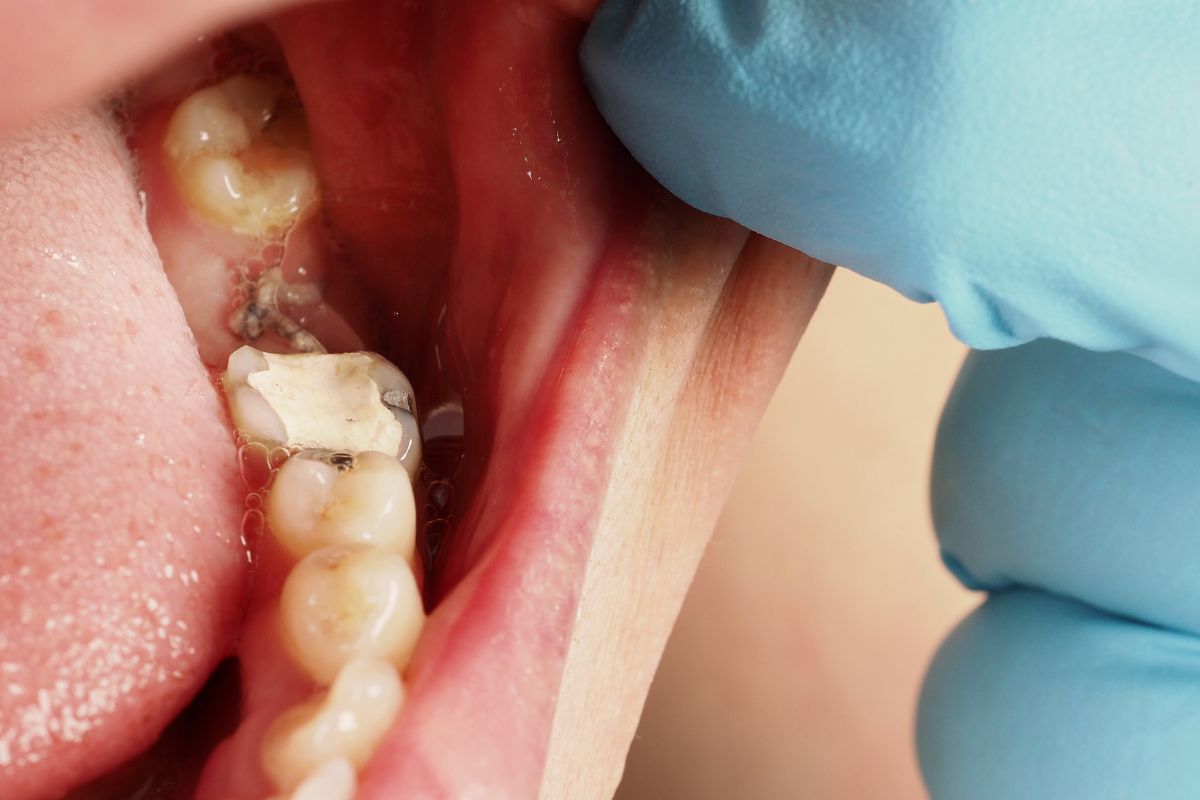
A tooth extraction is often followed by a few days of tenderness, swelling, and soreness. But what happens when your tooth is out and your throat suddenly starts hurting, too? It can be uncomfortable, especially when swallowing feels harder than usual.
The good news is that mild throat discomfort can sometimes occur after a tooth extraction, particularly after wisdom tooth removal. However, not every sore throat is part of normal healing. Knowing what to expect and which symptoms deserve attention can help you recover more comfortably and recognize when it is time to contact your dental provider.
Why Does Your Throat Hurt After a Tooth Extraction?
Experiencing a sore throat after tooth extraction can have several explanations. The cause often depends on which tooth was removed, how complex the procedure was, and whether you received sedation or general anesthesia.
Common reasons include:
- Inflammation and swelling: Tissue around the extraction site may become swollen, particularly after wisdom tooth removal. This can contribute to discomfort near the jaw and throat.
- Mouth opening during treatment: Keeping your mouth open for an extended period can strain the jaw muscles and nearby tissues, leaving you sore afterward.
- Throat irritation from anesthesia: If a breathing tube was used during general anesthesia, it may temporarily irritate your throat.
- Dry mouth: Breathing through your mouth or drinking less than usual after surgery can leave your throat feeling dry and scratchy.
- Nearby tissue irritation: Surgical removal of a tooth, especially an impacted wisdom tooth, can cause inflammation that makes swallowing uncomfortable.
Mild symptoms should generally improve as recovery progresses. If you are looking for guidance from a Camp Springs dentist, a dental professional can help determine whether your symptoms sound consistent with routine healing or need further evaluation.
Is a Sore Throat Normal After Tooth Removal?
A mild sore throat or discomfort when swallowing can occur after certain extractions. You might also notice jaw stiffness, tenderness near the extraction site, or swelling around the cheek.
The important thing is to watch how your symptoms change.
Signs that may fit routine recovery include:
- Mild throat irritation that gradually improves
- Tenderness around the extraction area
- Minor jaw stiffness
- Discomfort when swallowing that does not worsen
- Swelling that begins to settle over the next few days
Recovery varies from person to person. More involved surgical extractions may cause greater discomfort than straightforward tooth removal.
If the pain is getting worse instead of better, or you develop new symptoms, contact your dental provider rather than assuming the discomfort is normal.
When Is a Sore Throat a Sign of a Problem?
Sometimes, throat pain may be related to an infection or another complication that needs professional attention.
Contact your dental provider promptly if you experience:
- Fever or chills
- Increasing pain or swelling
- Pus, unusual drainage, or a persistent unpleasant taste
- Worsening difficulty swallowing
- Swelling that spreads toward the neck
- Pain that improves initially but then becomes significantly worse
A dry socket can also develop after an extraction, particularly following wisdom tooth removal. It typically causes significant pain around the extraction site, sometimes radiating toward the ear or jaw. A sore throat alone does not confirm dry socket, so an examination may be needed to identify the cause.
Seek emergency medical care immediately if you have difficulty breathing, cannot swallow your saliva, or develop rapidly increasing swelling in your mouth, throat, or neck. These symptoms can indicate a serious problem.
How to Soothe Throat Discomfort During Recovery
If your symptoms are mild and you are otherwise recovering normally, a few simple steps may help you feel more comfortable.
Stay Hydrated
Drink water regularly using a cup. Avoid straws for the period recommended by your dental provider because suction can disturb the blood clot protecting the extraction site.
Choose Soft, Gentle Foods
Try foods that are easy to swallow, such as yogurt, applesauce, mashed potatoes, or lukewarm soup. Avoid very hot foods, crunchy snacks, and anything that irritates the extraction area.
Follow Your Aftercare Instructions
Take prescribed or recommended medications exactly as directed. Do not place aspirin directly on the extraction site, as it can irritate the tissue.
Be Careful With Saltwater Rinses
After the first 24 hours, your dental provider may recommend gently rinsing with warm salt water. Let the water fall from your mouth rather than spitting forcefully. Follow any specific instructions you received after surgery.
Give Your Body Time to Rest
Rest, avoid strenuous activity during the recommended recovery period, and keep up with oral hygiene as directed. Do not brush aggressively around the extraction site.
If your throat pain persists, worsens, or comes with concerning symptoms, home care should not replace a professional evaluation.
What Should You Expect After an Extraction?
Healing depends on the type of extraction and your overall health. Mild soreness and swelling are often most noticeable during the first few days and should gradually improve.
During recovery, ask yourself:
- Is my throat feeling better or worse than yesterday?
- Can I drink fluids comfortably?
- Is the swelling settling down?
- Have I developed a fever or unusual drainage?
- Am I following the aftercare instructions provided by my dental team?
If your answers raise concerns, call your dental provider. Keeping track of changes can help you describe your symptoms clearly and get the appropriate advice.
For families in Camp Springs and nearby communities, knowing whom to contact after dental surgery can make recovery less stressful. Do not wait for a scheduled follow-up if you develop symptoms that need prompt attention.
Frequently Asked Questions
How long does a sore throat last after tooth extraction?
Mild irritation may improve within a few days, although recovery varies depending on the procedure and whether anesthesia was used. Contact your dental provider if the pain persists, worsens, or comes with other concerning symptoms.
Can wisdom tooth removal cause throat pain?
Yes. Swelling and inflammation following wisdom tooth removal can cause discomfort near the jaw and throat. Severe or worsening pain, fever, or difficulty swallowing should be evaluated promptly.
Is it normal for swallowing to hurt after an extraction?
Mild discomfort when swallowing may occur after some procedures. However, worsening swallowing difficulty, inability to swallow saliva, or breathing problems require urgent medical attention.
Can an infection cause a sore throat after tooth removal?
An infection may cause throat discomfort alongside symptoms such as fever, increasing swelling, worsening pain, or unusual drainage. A dental or medical professional can assess the cause and recommend appropriate treatment.
When should I call my dental provider about throat pain?
Contact your provider if the pain worsens, does not begin to improve, or occurs with fever, increasing swelling, or unusual drainage. Seek emergency care for breathing difficulties, inability to swallow saliva, or rapidly spreading swelling.
Recover Comfortably With the Right Guidance
A little discomfort can be part of healing after tooth removal, but you should not have to guess whether your symptoms are normal. Paying attention to changes, following your aftercare instructions, and seeking help when something feels wrong can protect your recovery.
At Smile Loft Branch Ave, your oral health and comfort matter. If you are experiencing throat pain after an extraction or have questions about your recovery, schedule an appointment today to discuss your symptoms and determine the appropriate next step.