
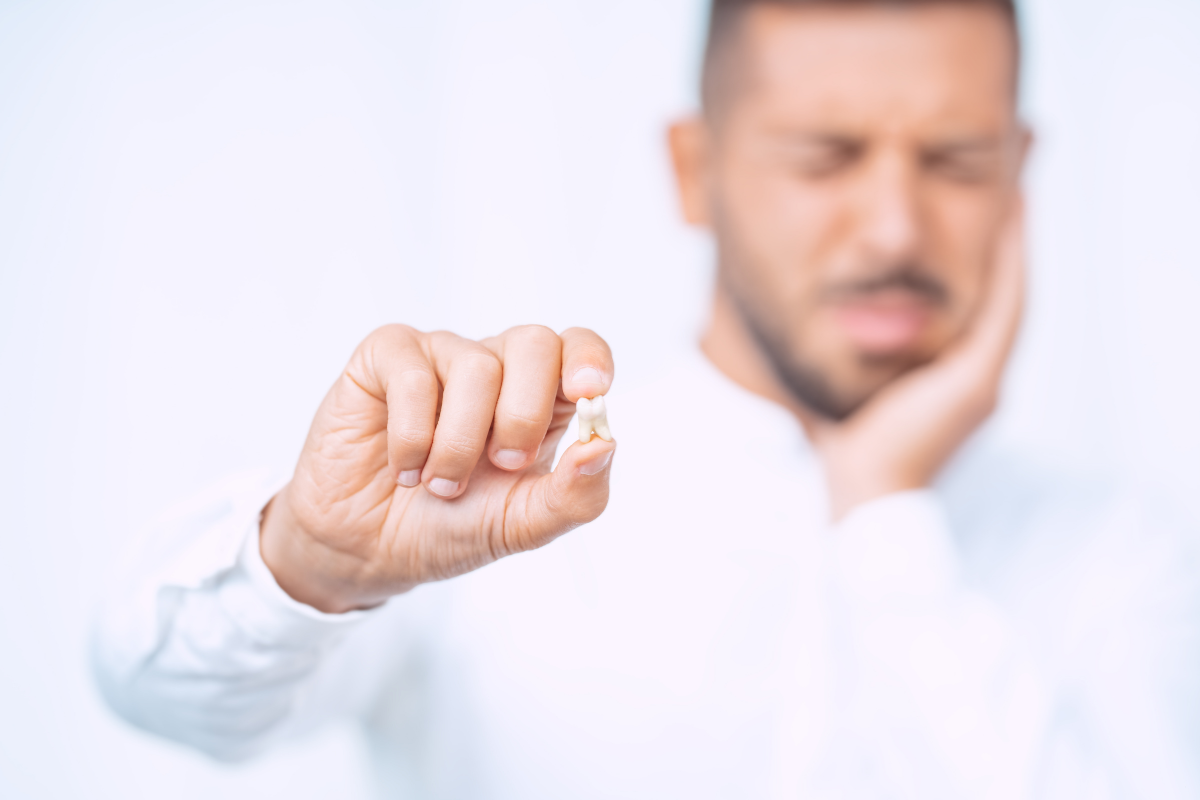
Losing a tooth can be a scary and painful experience, especially if it’s knocked out unexpectedly. Whether it happened from an accident, sports injury, or an unexpected fall, it’s essential to act quickly to save your tooth and protect your oral health. One of the first things you should do is contact an emergency dentist. At Smile Loft Branch Ave in Camp Springs, we understand the urgency and know that acting fast can make all the difference. So, what should you do when faced with a knocked-out tooth, and why is seeking emergency dental care so important? Let’s dive in!
Why Immediate Action Is Crucial for a Knocked-Out Tooth
A knocked-out tooth, or avulsed tooth, is considered a dental emergency that requires immediate attention. The sooner you see an emergency dentist, the better the chances of saving your tooth. Ideally, you should visit a dentist in Seattle within 30 minutes of the incident. Time is of the essence because a tooth starts to lose its viability shortly after being knocked out.
Here’s why prompt care is essential:
- Preserving the Tooth: Re-implantation of a knocked-out tooth is possible, but only if you act quickly. The cells on the root of the tooth can survive for a short time, so getting professional care fast is key.
- Reducing Pain: A knocked-out tooth can be painful. Visiting an emergency dentist can help alleviate your discomfort with proper treatment and pain management.
- Preventing Infection: If the injury that knocked out your tooth has caused trauma to the surrounding tissue, it can introduce bacteria and lead to infection. An emergency dentist can clean the area and minimize the risk.
What to Do Right After a Tooth Is Knocked Out
Before heading to the dentist, there are some steps you can take to improve your chances of saving the tooth:
- Handle with Care: Pick up the tooth by the crown (the chewing surface), avoiding the root, which can be delicate. Touching the root can damage the cells needed for successful re-implantation.
- Rinse Gently: If the tooth is dirty, gently rinse it with water. Do not scrub or use soap, as this can harm the tissue.
- Reposition the Tooth (If Possible): Try to gently place the tooth back into the socket if it’s clean. Hold it in place by biting down on a clean cloth or gauze.
- Keep the Tooth Moist: If you can’t reposition the tooth, place it in a container of milk, or keep it in your mouth between your cheek and gums. The goal is to keep the tooth moist until you get to an emergency dentist.
These steps can buy you valuable time, but remember—getting to an emergency dental care provider quickly is still crucial.
Why Choose an Emergency Dentist for Knocked-Out Teeth?
You might wonder why you can’t just go to a regular dentist or even an urgent care clinic. The answer lies in the specialized care that an emergency dentist can provide. Here’s why they are your best bet:
- Specialized Training: Emergency dentists are trained to handle time-sensitive and severe dental injuries, including knocked-out teeth. They have the expertise to assess the damage and provide immediate treatment.
- Availability: Dental emergencies can happen at any time. Emergency dentists often offer after-hours services, ensuring that you can get treated even outside of normal office hours.
- Comprehensive Care: Besides addressing the immediate issue, an emergency dentist can provide additional care such as pain management, infection control, and advice for long-term dental health.
- Advanced Equipment: Emergency dental offices are typically equipped with the latest technology and tools to handle urgent cases effectively and quickly.
What Happens During an Emergency Dental Visit?
When you arrive at an emergency dentist’s office, the dentist will first assess the severity of your injury. If the tooth is still viable, they will attempt to re-implant it. Here’s what to expect during your visit:
- Examination: The dentist will thoroughly examine your mouth, looking at the area where the tooth was knocked out and checking for any additional damage.
- Re-Implantation: If the tooth is still intact and the surrounding tissues are healthy, the dentist will clean the area and attempt to re-insert the tooth into the socket.
- Stabilization: To help the tooth stay in place while it heals, the dentist may use a splint or other stabilization device, which is usually left in place for a couple of weeks.
- Pain Management and Follow-Up: Pain management is an essential part of the treatment, and your dentist will prescribe medication if needed. They’ll also schedule a follow-up appointment to ensure proper healing.
If re-implantation is not possible, don’t worry. Your dentist will discuss alternative options, such as dental implants, which can restore your smile and functionality.
Preventing Future Dental Emergencies
While accidents happen, there are steps you can take to protect your teeth from being knocked out:
- Wear a Mouthguard: If you play contact sports or participate in activities with a high risk of injury, wear a mouthguard to protect your teeth.
- Maintain Good Oral Health: Healthy gums and teeth are more resistant to trauma, so make sure to practice good oral hygiene and schedule regular checkups.
- Be Cautious with Hard Foods: Avoid biting into hard foods like ice, candy, or nuts, which can weaken your teeth or cause fractures.
By taking these preventive measures, you can lower the risk of experiencing a knocked-out tooth in the future.
Act Fast, and Save Your Smile with our Emergency Dentist in Camp Springs!
A knocked-out tooth doesn’t have to mean permanent tooth loss. Acting quickly and visiting an emergency dentist can greatly increase the chances of saving your tooth and protecting your long-term oral health. If you ever find yourself in this unfortunate situation in Camp Springs or nearby areas, don’t hesitate to contact our emergency dentists for immediate assistance. We provide swift and effective emergency dental care to help you get back to smiling confidently.
When dental emergencies strike, time is your most valuable asset. With the right steps and the help of an experienced emergency dentist, you can keep your smile intact even in the most unexpected situations. Understanding when it’s time to call the emergency dentist can also be a crucial part of protecting your dental health and responding to emergencies effectively.