
Missing teeth can change more than just your smile. Everyday moments like eating your favorite foods, speaking clearly, or feeling confident in photos can suddenly feel uncomfortable. Many people put off treatment because they are unsure which option will truly last and fit their lifestyle. If you have been comparing dentures and implants, you are not alone.
Patients looking for dental implants camp springs often want a solution that feels natural, stays secure, and supports long term oral health. While dentures have helped many people restore their smiles over the years, dental implants offer durability and stability that traditional removable options may not provide. Understanding the differences can help you make the best decision for your future comfort and confidence.
Understanding Your Tooth Replacement Choices
Both dental implants and dentures are designed to replace missing teeth, but they work in very different ways.
What Are Dental Implants?
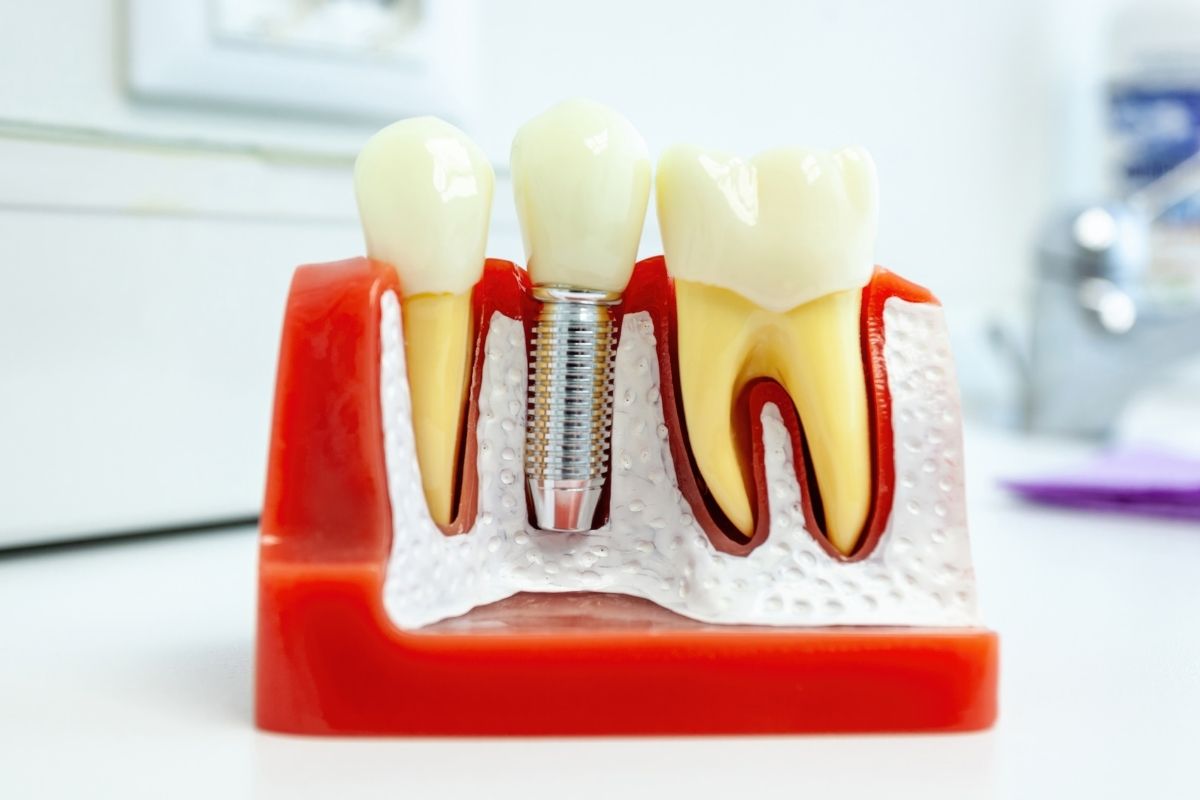
Dental implants are small titanium posts placed into the jawbone to act like artificial tooth roots. Once healed, they support crowns, bridges, or full arches of replacement teeth. Because implants integrate with the bone, they feel stable and natural.
Many patients searching for dental implants in camp springs choose implants because they closely mimic real teeth in appearance and function.
What Are Dentures?
Dentures are removable appliances that replace missing teeth and surrounding tissue. They may be full dentures for complete tooth loss or partial dentures when some natural teeth remain.
Modern dentures look more natural than older versions, but they still rely on the gums for support rather than the jawbone.
Which Option Lasts Longer?
When comparing longevity, dental implants typically last much longer than dentures.
Lifespan of Dental Implants
With proper care and regular dental visits, implants can last for decades. In many cases, the implant itself may last a lifetime. The crown attached to the implant may eventually need replacement after years of wear, but the foundation remains strong.
Implants are made from durable materials designed to withstand daily chewing and speaking without slipping or shifting.
Lifespan of Dentures
Dentures generally need adjustments, relining, or replacement over time. Most dentures last several years before changes in the mouth affect their fit. Since the jawbone naturally shrinks after tooth loss, dentures may become loose as time passes.
This can lead to discomfort, sore spots, and difficulty eating certain foods.
Comfort and Everyday Convenience
One of the biggest differences between these options is how they feel during daily life.
Eating and Speaking
Dental implants stay firmly in place, allowing patients to enjoy crunchy vegetables, steak, apples, and other foods with confidence. Speech also tends to feel more natural because implants do not shift during conversation.
Dentures, especially lower dentures, can sometimes move while eating or speaking. Adhesives may help, but many people still experience occasional slipping.
Oral Hygiene
Implants can be brushed and flossed similarly to natural teeth. There is no need to remove them at night.
Dentures require daily removal and cleaning. They also need proper storage overnight to maintain their shape and cleanliness.
Bone Health Matters More Than You Think
One important advantage of implants is their ability to support jawbone health.
After tooth loss, the jawbone begins to shrink because it no longer receives stimulation from natural tooth roots. Dental implants help preserve bone by functioning like those natural roots.
Dentures do not prevent bone loss. Over time, this may change facial appearance and create a sunken look around the mouth and cheeks.
For residents around Camp Springs who want long term facial support and oral stability, this can be a major factor when choosing treatment.
Cost Considerations
Dentures often cost less upfront, making them appealing for patients seeking an immediate budget friendly solution.
Dental implants usually involve a higher initial investment. However, many patients find the long term value worthwhile because implants may require fewer replacements and adjustments over the years.
When evaluating costs, it is important to think beyond the starting price and consider durability, comfort, maintenance, and quality of life.
Who Is a Good Candidate for Dental Implants?
You may be a strong candidate if you:
- Have healthy gums
- Have sufficient jawbone density
- Want a fixed and stable solution
- Are looking for long term durability
- Maintain good oral hygiene habits
Even if bone loss has already occurred, procedures like bone grafting may help prepare the jaw for implants.
Why Many Local Patients Choose Implants
Camp Springs residents often lead active lifestyles that involve work, social gatherings, and family events throughout nearby communities like Clinton, Temple Hills, and Suitland. Many patients prefer a tooth replacement option that allows them to eat comfortably at local restaurants, speak confidently at work, and enjoy social events without worrying about slipping dentures.
That convenience and confidence are part of why implants continue to grow in popularity among adults seeking a more permanent solution.
Quick Comparison Guide
Dental Implants
- Long lasting solution
- Fixed and secure
- Helps preserve jawbone
- Feels closest to natural teeth
- Easier to maintain daily
Dentures
- Lower upfront cost
- Removable appliance
- May need frequent adjustments
- Can shift during eating or speaking
- Does not prevent bone loss
A Stronger Smile Starts With the Right Choice
Choosing between dentures and implants is a personal decision, but longevity, comfort, and confidence often make implants the preferred option for many patients. If you are ready to enjoy a smile that feels secure and natural, professional guidance can help you explore the best fit for your needs.
At Smile Loft Branch Ave, our team is committed to helping patients restore their smiles with personalized care and advanced treatment options. Schedule your consultation today and take the next step toward lasting comfort, stronger oral health, and renewed confidence.
Frequently Asked Questions
Are dental implants painful?
Most patients report less discomfort than expected. The procedure is typically performed with local anesthesia, and recovery is manageable with proper aftercare.
How long does implant treatment take?
Treatment time varies depending on healing and whether additional procedures are needed. Some cases may take several months from start to finish.
Can dentures look natural?
Yes. Modern dentures are designed to look more realistic than ever before, though they may still feel different from natural teeth.
Do implants require special care?
Not usually. Brushing, flossing, and regular dental checkups are essential, just like caring for natural teeth.
Which option is better for long term value?
While dentures may cost less initially, implants often provide better long term value because of their durability and stability.