
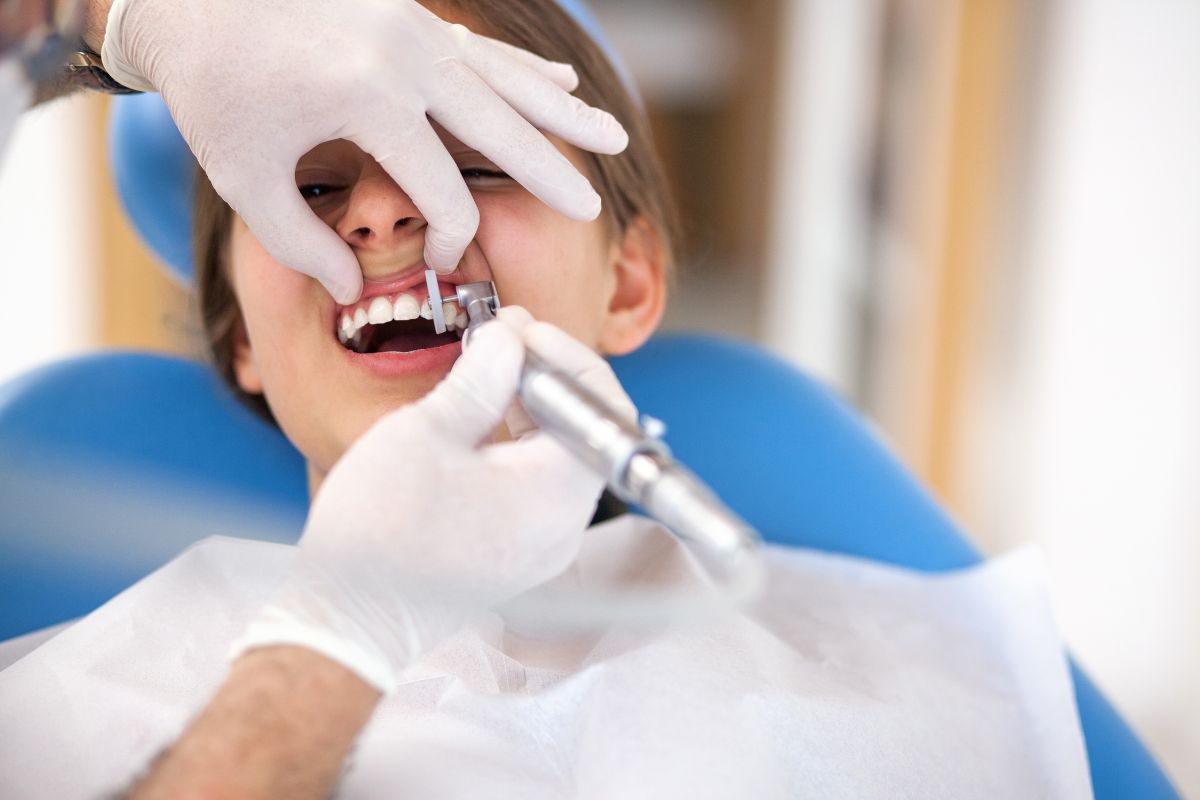
Maintaining excellent oral hygiene is essential for overall health, and selecting the right toothbrush is a crucial part of this process. The right toothbrush can make a significant difference in the effectiveness of your dental cleanings and exams in Camp Springs, Maryland. This guide will help you understand the key factors to consider when choosing the ideal toothbrush for optimal cleanings.
Understanding Toothbrush Types
Toothbrushes come in various types, each designed to meet different needs. The two main categories are manual and electric toothbrushes.
Manual Toothbrushes
Manual toothbrushes have been around for centuries and are a reliable choice for many. They are affordable, widely available, and come in various designs. When choosing a manual toothbrush, consider the following factors:
- Bristle Type: Toothbrush bristles come in soft, medium, and hard varieties. Soft bristles are generally recommended by dentists as they are gentle on the gums and effective at removing plaque without causing damage.
- Head Size: The toothbrush head should be small enough to reach all areas of your mouth, including the back molars. A smaller head allows for better maneuverability and more thorough cleaning.
- Handle Design: Look for a toothbrush with a comfortable, non-slip handle that provides a good grip.
Electric Toothbrushes
Electric toothbrushes have gained popularity for their efficiency and ease of use. They are particularly beneficial for individuals with limited dexterity, such as the elderly or those with arthritis. Key features to consider include:
- Brushing Modes: Some electric toothbrushes offer multiple brushing modes, such as sensitive, gum care, and whitening. Choose one that suits your specific needs.
- Timer and Pressure Sensors: A built-in timer ensures you brush for the recommended two minutes, while pressure sensors prevent you from brushing too hard, protecting your gums.
- Battery Life: Consider the battery life, especially if you travel frequently. Some models come with rechargeable batteries and convenient charging options.
Evaluating Bristle Types
The type of bristles on a toothbrush significantly impacts its effectiveness and comfort. Here’s a closer look at the different bristle types:
Soft Bristles
Soft bristles are the most commonly recommended by dental professionals. They are gentle on the gums and teeth, reducing the risk of irritation and enamel erosion. Despite their softness, they are effective at removing plaque and food particles.
Medium Bristles
Medium bristles offer a balance between softness and firmness. They can provide a deeper clean but may be too abrasive for individuals with sensitive gums or enamel. If you prefer medium bristles, ensure you brush gently to avoid potential damage.
Hard Bristles
Hard bristles are the least recommended by dentists. While they may provide a vigorous clean, they can be harsh on the gums and enamel, leading to increased sensitivity and gum recession over time. It is generally best to avoid hard bristles unless specifically advised by your dentist.
Importance of Toothbrush Head Size and Shape
The size and shape of the toothbrush head are crucial for effective cleaning. A toothbrush with a small, compact head can reach tight spaces and clean the back teeth more efficiently. Additionally, an angled head can help access hard-to-reach areas, ensuring a more thorough clean.
Compact Heads
Compact heads are ideal for most people as they offer better control and access to all areas of the mouth. They are especially beneficial for children and individuals with smaller mouths.
Angled Heads
Angled heads are designed to improve reach and maneuverability. They can make it easier to clean around the back teeth and along the gumline, areas that are often missed with standard toothbrush heads.
Considering Toothbrush Handle Design
A well-designed handle enhances the comfort and effectiveness of your brushing routine. Look for the following features in a toothbrush handle:
- Ergonomic Design: An ergonomic handle provides a comfortable grip and reduces hand fatigue during brushing.
- Non-Slip Grip: A non-slip grip ensures the toothbrush remains steady in your hand, even when wet, allowing for better control and precision.
- Flexibility: Some toothbrushes have flexible handles that can bend to adjust to the contours of your mouth, improving the brushing experience.
Choosing the Right Toothbrush for Children
Children have different oral hygiene needs compared to adults. When selecting a toothbrush for your child, consider these factors:
Size and Design
Choose a toothbrush with a smaller head and a handle that is easy for small hands to hold. Fun designs and bright colors can make brushing more enjoyable for children, encouraging good oral hygiene habits.
Soft Bristles
Soft bristles are essential for children, as their gums and enamel are more delicate. A toothbrush with soft bristles will clean their teeth effectively without causing discomfort or damage.
Electric Toothbrushes for Kids
Electric toothbrushes designed for children often feature smaller heads, softer bristles, and engaging designs. Some models even play music or have timers to make brushing more fun and effective.
Replacing Your Toothbrush
Regardless of the type of toothbrush you choose, it is essential to replace it regularly. The American Dental Association (ADA) recommends changing your toothbrush every three to four months, or sooner if the bristles become frayed. A worn-out toothbrush is less effective at cleaning and can harbor bacteria.
Choosing the right toothbrush is a fundamental step in maintaining optimal oral health. Whether you opt for a manual or electric toothbrush, prioritize features that enhance comfort and effectiveness. Regular dental cleanings and exams in Camp Springs, Maryland, combined with the right toothbrush, will help you achieve and maintain a healthy smile. For more detailed guidance, consider visiting Smile Loft Branch Ave for professional advice tailored to your specific needs.