
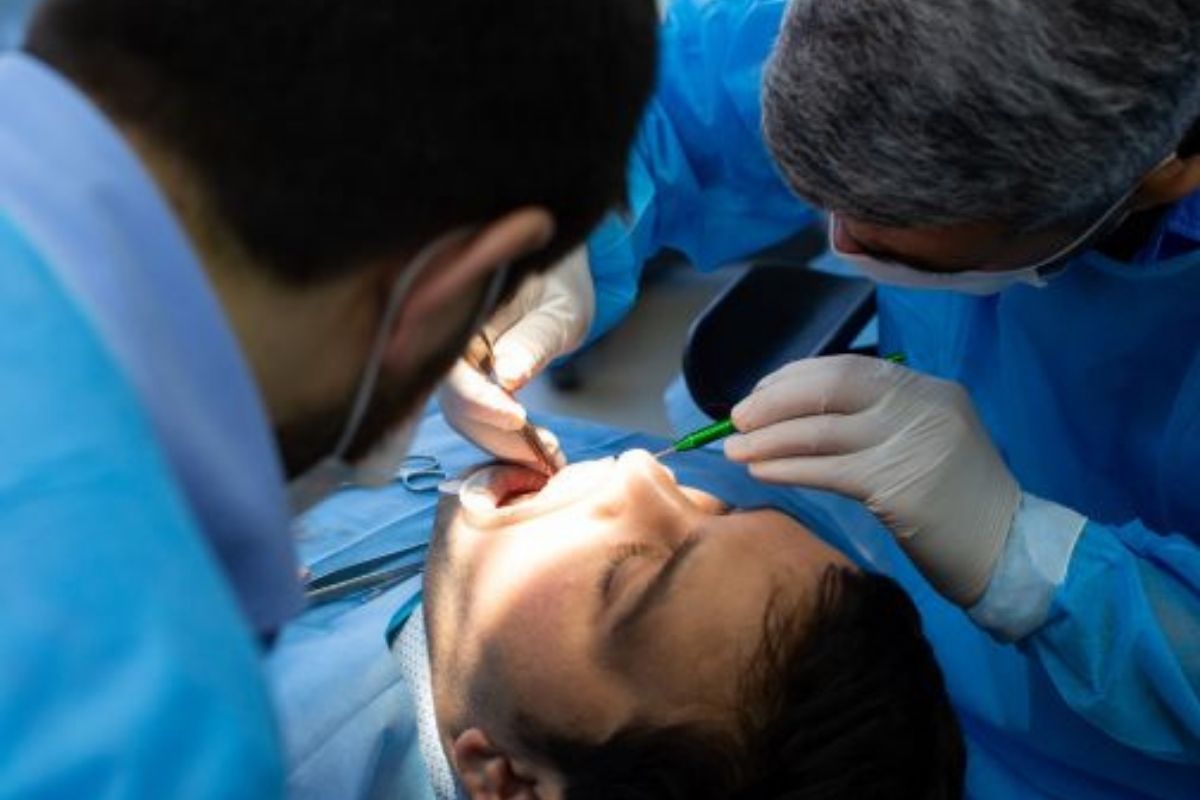
Oral surgery can be a daunting experience, whether you’re having a wisdom tooth removed or undergoing more complex procedures like jaw surgery. It’s common for patients to feel anxious before and after the surgery, but with the right preparation and care, you can speed up the healing process and avoid complications.
At Smile Loft Branch Ave, we understand that the period following your appointment is just as critical as the procedure itself. To ensure you return to your routine and enjoy the local flavors of our area as soon as possible, our proficient team, including Dr. Kashyap Patel, Dr. Priya Patel, and Dr. Julian Gapud, provides personalized care customized to your specific needs. If you are ready to prioritize your oral health with a team that truly cares about your comfort, schedule your consultation with us today.
Whether you’re planning to visit your favorite restaurants in Largo or enjoy a quiet day in Bowie, your recovery is key to returning to your usual activities. In this blog, we’ll share professional-backed oral surgery recovery tips to help you heal faster and avoid complications.
Understanding What Happens After Oral Surgery
Whether you have undergone a tooth extraction, wisdom teeth removal, jaw surgery, or a bone graft, your body immediately begins the work of healing once the procedure is complete. The first 24 to 72 hours are the most critical window. What you do and don’t do during this time will significantly shape how your overall recovery unfolds.
Swelling, mild bleeding, and discomfort are all normal in the early stages. The key is not to panic but to follow a structured aftercare plan. Think of recovery as a quiet season, like a peaceful afternoon at Cosca Regional Park, where stillness actually does the hard work.
Oral Surgery Recovery Tips: Heal Faster and Avoid Complications
Here are the most important steps our patients need to follow after their procedure:
Protect the Blood Clot
After any extraction or surgical procedure, a blood clot forms at the site. This clot is critical because it protects the underlying bone and nerve while new tissue grows. Dislodging it can lead to a painful condition known as dry socket, which significantly delays healing.
What to avoid in the first 72 hours:
- Drinking through straws (the suction can dislodge the clot)
- Spitting forcefully
- Smoking or using tobacco products
- Rinsing aggressively
Manage Swelling With Ice
Apply an ice pack to the outside of your jaw in 20-minute on/off intervals for the first 24 hours. After that, switch to warm compresses to improve circulation and reduce residual stiffness. You’ll likely notice swelling peaks around day two or three before it gradually subsides.
Eat the Right Foods and Know What to Skip
Your mouth is healing, and what you eat plays a direct role in how well it does that. Think soft, nutrient-rich foods: yogurt, smoothies, mashed potatoes, scrambled eggs, soup broths, and oatmeal. These aren’t just easy on your mouth; they actually support tissue repair.
Here in Camp Springs, if you’re craving something comforting, consider having a family member pick up a bowl of smooth soup from one of the beloved local spots, or opt for Southern-style comfort food. Many of their dishes can easily be adjusted to be soft and post-surgery friendly.
Foods to strictly avoid:
- Hard, crunchy snacks like chips or pretzels
- Spicy or acidic foods
- Alcohol (which interferes with healing and medications)
- Extremely hot foods and drinks
Keep the Area Clean Carefully
Starting 24 hours after your procedure, gently rinse your mouth with warm salt water (half a teaspoon of salt in eight ounces of water) after meals. Avoid alcohol-based mouthwashes during the first week. Continue brushing your other teeth normally, just be very careful around the surgical site.
Take Adequate Rest
Your body heals fastest when it’s not competing with stress and activity. Plan to take at least one to two days off from work or your regular routine. This isn’t the time to power through a walk around Joint Base Andrews trails or run errands across town. Elevate your head slightly when sleeping to reduce swelling, and avoid bending over or heavy lifting, which can increase blood pressure at the surgical site.
Take Medications Exactly as Prescribed
Your dentist or oral surgeon will prescribe antibiotics and/or pain medications. Take them as directed, even if you’re feeling better. Stopping antibiotics early is a common mistake that can allow infection to return. If you experience unusual symptoms, such as increasing pain after day three, fever, or foul-tasting discharge, contact our office immediately.
Follow Up, Don’t Skip Your Post-Op Appointment
Your post-surgical checkup isn’t optional. It’s how your dental team confirms that healing is progressing as expected, removes sutures if needed, and catches any early signs of complications. Skipping this step is one of the most common ways patients unknowingly allow a small issue to become a significant problem.
The Most Important Rule of All
If something feels wrong, don’t wait it out. Trust your instincts. Complications such as infections, dry socket, or issues related to jaw surgery are far easier to address when caught early. The team at Smile Loft Branch Ave is always a phone call away.
It’s also worth mentioning a common post-surgical reality: recovery can feel isolating, especially when you can’t enjoy your usual routines, like a Friday evening out at Jasper’s or a weekend visit to the waterfront at National Harbor. Give yourself grace during this period. Your health is worth the temporary pause.
Take the Next Step Towards a Smooth Recovery
Recovery after oral surgery doesn’t have to be a stressful experience if you follow the right steps. At Smile Loft Branch Avenue, we understand that each patient’s recovery is unique, and we are here to support you throughout the entire process. Whether you are recovering from a simple extraction or a more complex surgical procedure, our team is committed to your comfort and healing.
If you’re from the surrounding areas of Camp Springs, Largo, or Bowie, don’t hesitate to reach out to us for personalized care and expert guidance through your recovery. Ready to begin your recovery journey with trusted professionals? Contact Smile Loft Branch Avenue today and let us help you heal faster and avoid complications.
Frequently Asked Questions
1. How long does it usually take to recover from oral surgery?
Initial healing typically takes about three to seven days for most minor procedures. However, complete tissue maturation and bone healing can take several weeks, depending on your specific surgery.
2. When can I start eating solid foods again after my procedure?
You should wait until the numbness wears off before eating to avoid biting your cheek. Gradually introduce solid foods after three to five days as your comfort level allows.
3. Is it normal to experience bruising on my face after surgery?
Yes, bruising and skin discoloration are normal inflammatory responses that often peak two to three days after surgery. These effects will naturally fade away within a week or two.
4. How do I know if I have developed a dry socket?
A dry socket is characterized by intense, radiating pain that typically starts three to five days post-surgery. You may also notice an unpleasant taste or a visible bone in the socket.
5. Can I brush my teeth the night after I have oral surgery?
You can brush your other teeth gently, but avoid the surgical site entirely on the first night. Resume careful brushing around the area the following day using a soft-bristled brush.
6. Why is it important to avoid smoking during the recovery period?
Smoking introduces toxins that restrict blood flow and delay the body’s natural ability to heal the wound. It also significantly increases the risk of dislodging the protective blood clot.
7. When should I call the dentist regarding my post-operative symptoms?
Contact us if you experience a high fever, uncontrollable bleeding, or swelling that increases after the third day. We are here to ensure your recovery stays on the right track.