
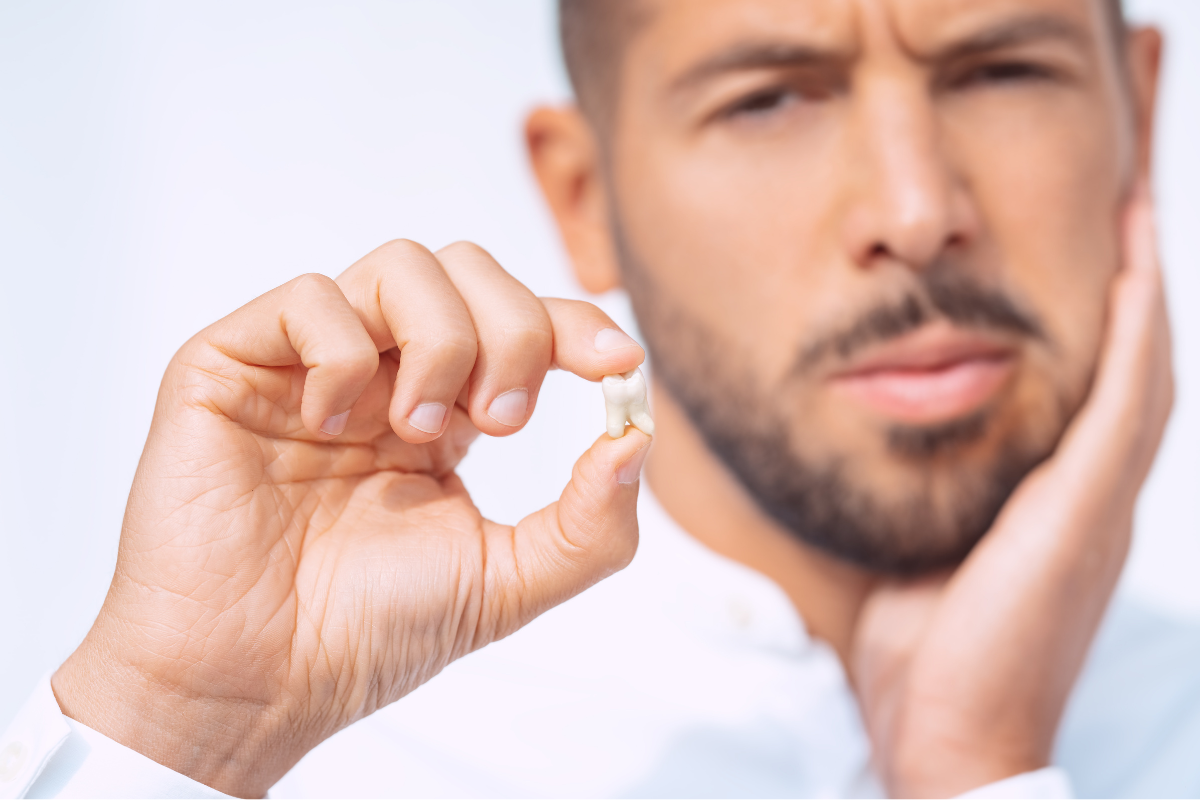
Tooth extractions are common dental procedures, often necessary for preserving overall oral health. However, complications can sometimes occur, including a bone infection known as osteomyelitis. This condition arises when bacteria infiltrate the bone, leading to discomfort and potential health risks. Recognizing the signs early and understanding the causes can ensure timely treatment and a smoother recovery.
Let’s dive into the key symptoms, causes, and steps to prevent bone infections after a tooth extraction.
Key Signs of Bone Infections
A healthy recovery should gradually improve over days or weeks. However, if you notice the following symptoms, you may be dealing with a bone infection:
1. Persistent or Increasing Pain
Some discomfort following tooth extraction is normal, but if you experience persistent or increasing pain that lasts beyond the expected healing time, it could be a sign of an infection. The pain might be localized around the extraction site but can also radiate to your jaw, ear, or head. If the pain doesn’t subside or gets worse after a few days, you can visit our experienced dentist in Chandler.
2. Swelling and Redness
Swelling is common after an extraction, but excessive swelling, especially if it doesn’t subside after a couple of days, may indicate an infection. Along with swelling, you might notice that the area around the extraction site becomes redder than usual. The redness and swelling are often signs of an immune response to infection.
3. Fever or Chills
If your body is fighting an infection, it’s common to experience fever or chills. This is a red flag that should not be ignored. A fever can be a sign that an infection has spread beyond the extraction site, potentially affecting the bone or surrounding tissues. If you develop a fever in the days following your extraction, consult with your dentist immediately.
4. Bad Odor or Taste
A foul taste or odor in your mouth is another indication that an infection may be present. If you notice a bad smell coming from the extraction site, it could be due to pus or other infection-related material. In severe cases, this could be accompanied by an unpleasant taste. It’s crucial to contact your dentist right away if you experience this symptom.
5. Pus Drainage
Pus is a thick, yellowish fluid that is typically released by the body in response to infection. If you notice pus draining from the extraction site, this is a clear sign of infection. The pus may have a foul odor, and its presence is a strong indicator that you need to seek dental attention as soon as possible.
What Causes Bone Infections After Tooth Extractions?
Several factors can contribute to a bone infection following an extraction. Here are the most common causes:
1. Bacterial Contamination
Bacteria entering the extraction site is the leading cause of infections. This can happen during or after the procedure if the area isn’t properly sterilized or maintained.
2. Poor Oral Hygiene
If the extraction site isn’t cleaned as directed, bacteria can thrive, leading to an infection. Proper oral care is crucial during the recovery process.
3. Smoking
Smoking slows down the healing process by restricting blood flow to the gums. It also increases the chances of developing dry socket, which can expose the bone to harmful bacteria.
4. Pre-existing Health Issues
Chronic conditions like diabetes or a weakened immune system can impair your body’s ability to heal and fight infections, increasing your risk.
5. Dry Socket
If the blood clot protecting the extraction site is dislodged, the underlying bone is exposed, creating an easy entry point for bacteria.
6. Trauma or Complex Extractions
In cases of impacted or severely damaged teeth, the extraction process can be more invasive. This can leave the bone more vulnerable to infection, especially if the site isn’t cleaned thoroughly.
Steps to Take if You Suspect an Infection
If you’re experiencing symptoms of a bone infection, don’t wait to act. Here’s what you should do:
- Contact Your Dentist Immediately: Early intervention is key. Our Camp Springs dentist can evaluate the issue and provide necessary treatments like antibiotics or additional cleaning.
- Follow Aftercare Instructions: Revisit the guidelines provided post-extraction, ensuring you’re caring for the site correctly.
- Avoid Smoking: Refrain from smoking, as it can exacerbate the infection and delay healing.
- Rest and Stay Hydrated: Allow your body to recover by getting adequate rest and staying hydrated.
Preventing Bone Infections After Tooth Extractions
Prevention is the best approach to avoid complications. These tips can help:
- Practice Good Oral Hygiene: Gently clean your mouth without disturbing the extraction site. Use a saltwater rinse if recommended by your dentist.
- Follow Post-Extraction Instructions: Adhere to dietary restrictions and other guidelines provided by your dentist to ensure proper healing.
- Avoid Smoking: If possible, quit smoking during your recovery period to reduce the risk of infections.
- Keep Follow-Up Appointments: Regular check-ups allow your dentist to monitor healing and address any early signs of complications.
Why Timely Treatment Matters
A bone infection can spread to other areas of the body if left untreated, leading to severe complications. If you notice any concerning symptoms, it’s essential to act quickly. Our dentist in Camp Springs at Smile Loft Branch Ave. is here to ensure a smooth recovery and address any issues promptly.
At Smile Loft Branch Ave., we prioritize your oral health and provide expert care tailored to your needs. If you suspect an infection or need guidance post-extraction, don’t hesitate to contact us. Together, we can ensure your recovery is safe and successful.