
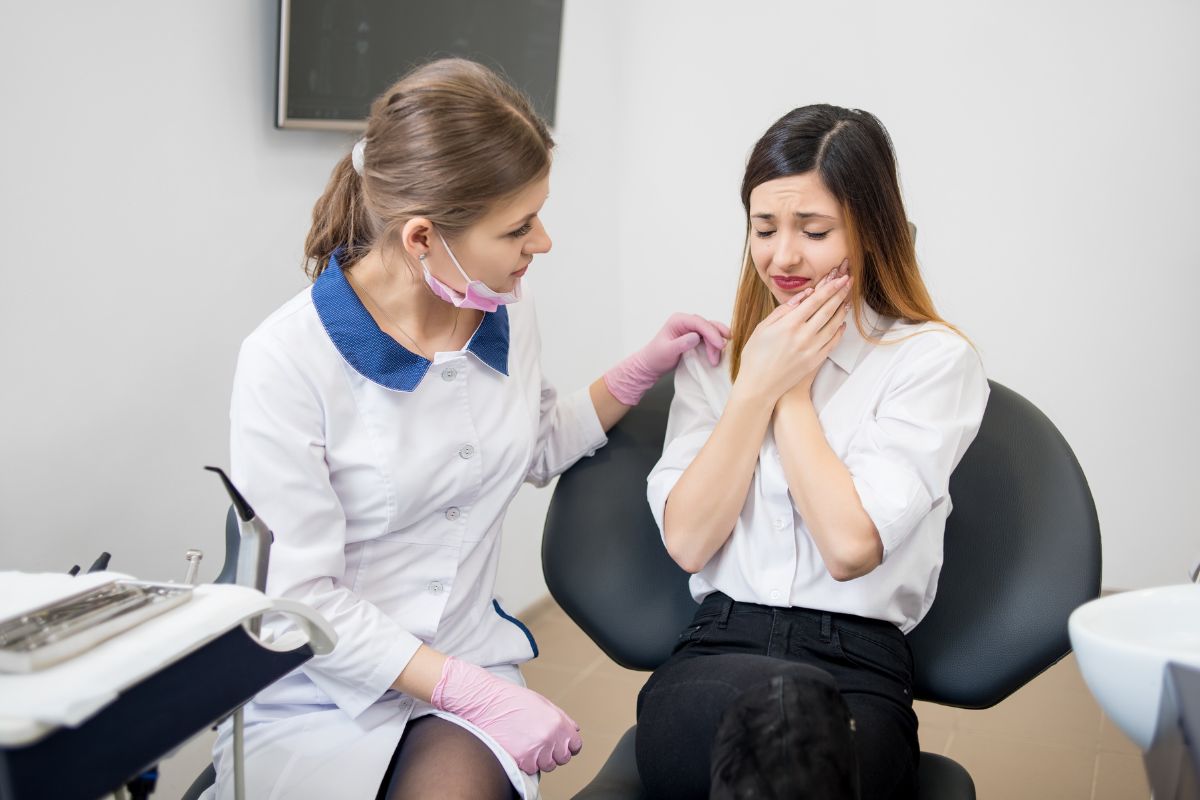
Dental emergencies never seem to happen at convenient times. Whether you’re enjoying a Nationals game or hosting a backyard barbecue in the DMV area, sudden tooth pain or dental trauma can turn a perfect day into a painful ordeal. Understanding what constitutes a true dental emergency and knowing where to find reliable care can make the difference between saving and losing a tooth.
At Smile Loft Branch Ave, we’ve treated thousands of dental emergencies throughout the Washington metropolitan area. From midnight toothaches to sports-related injuries, our emergency dentist team has seen it all. Here are the most common dental emergencies we encounter and what you need to know about each one.
Severe Tooth Pain That Won’t Stop
Excruciating tooth pain that keeps you awake at night or prevents you from functioning normally ranks as the top reason people seek emergency dental care. This type of pain usually signals a serious infection or nerve damage that requires immediate attention.
The pain often starts gradually, then intensifies to unbearable levels. Patients describe it as throbbing, stabbing, or constant aching that radiates through the jaw and sometimes up to the ear. Over-the-counter pain medications provide little to no relief, and the discomfort worsens when lying down or consuming hot or cold foods.
Root canal infections cause most severe dental pain emergencies. When bacteria penetrate deep into the tooth’s pulp chamber, they multiply rapidly and create pressure that has nowhere to escape. Without prompt treatment from an emergency dentist, the infection can spread to surrounding tissues and even enter the bloodstream, creating a life-threatening situation.
We’ve treated patients who waited days hoping the pain would subside on its own, only to arrive at our office with facial swelling and fever. Early intervention is crucial for preserving the affected tooth and preventing complications.
Knocked-Out Teeth from Sports and Accidents
Dental avulsion, the complete displacement of a tooth from its socket, represents one of the most time-sensitive dental emergencies. The Washington area’s active sports culture means we regularly treat athletes from local high schools, recreational leagues, and weekend warrior activities who’ve lost teeth during competition.
Basketball, football, and hockey account for most sports-related tooth loss, but we’ve also treated patients who lost teeth in bicycle accidents along the Capital Crescent Trail, playground mishaps, and even workplace incidents.
Time is absolutely critical when a tooth gets knocked out. The chances of successful reimplantation drop significantly after the first hour, and become nearly impossible after two hours. The tooth’s root surface contains delicate cells that die quickly when exposed to air and contamination.
Here’s what you must do immediately after a tooth gets knocked out:
Find the tooth and pick it up by the crown only. Never touch the root surface, as this can damage the cells needed for reattachment. If the tooth is dirty, rinse it gently with milk or saline solution. Never use tap water, soap, or scrub the tooth.
Try to place the tooth back in its socket if possible. Bite down gently on a clean cloth or gauze to hold it in place. If reinsertion isn’t possible, keep the tooth moist by placing it in milk, saliva, or a tooth preservation solution.
Get to an emergency dentist immediately. Every minute counts when it comes to saving a knocked-out tooth. We keep emergency appointments available specifically for these time-critical situations.
Broken or Fractured Teeth
Tooth fractures range from minor chips to complete breaks that expose the nerve. The severity of the fracture determines whether you need emergency care or can wait for a regular appointment.
Minor chips that don’t cause pain usually aren’t emergencies, though they should be addressed promptly to prevent further damage. However, fractures that expose the pink tissue inside the tooth or cause severe pain require immediate attention from an emergency dentist.
We see fractured teeth from various causes: biting down on hard foods like ice or popcorn kernels, using teeth as tools to open packages, grinding or clenching during sleep, and trauma from falls or accidents.
Vertical root fractures are particularly concerning because they often require tooth extraction. These fractures extend from the root tip toward the crown and create pathways for bacteria to enter the tooth. Patients typically experience pain when biting down and may notice swelling around the affected area.
Dental Abscesses and Facial Swelling
A dental abscess is a pocket of pus caused by bacterial infection, and it represents one of the most serious dental emergencies we treat. Abscesses can form at the tooth’s root tip or in the gums between teeth, causing intense pain and potentially life-threatening complications.
Facial swelling accompanying tooth pain is a red flag that demands immediate emergency dental care. The infection can spread rapidly through facial tissues and into the neck, potentially blocking airways or entering the bloodstream.
Warning signs of a dental abscess include severe toothache, fever, swollen lymph nodes, difficulty swallowing, and a foul taste in the mouth. Some patients also experience general malaise and fatigue as their body fights the infection.
We’ve treated patients whose abscesses progressed to the point where they needed hospitalization for intravenous antibiotics. This serious complication can be prevented with prompt emergency dental treatment when symptoms first appear.
Lost Fillings and Crowns
While losing a filling or crown might not seem like an emergency, these situations often cause significant pain and leave teeth vulnerable to further damage. The exposed tooth structure is typically sensitive to temperature changes and pressure, making eating and drinking uncomfortable.
Lost fillings create sharp edges that can cut the tongue or cheek, and they expose the tooth’s interior to bacteria that can cause decay or infection. Large fillings that fall out can leave substantial holes in teeth, making them prone to fracturing under normal chewing forces.
Crowns protect teeth that have been weakened by large cavities or root canal treatment. When a crown comes off, the underlying tooth becomes extremely vulnerable to breaking or developing sensitivity. The exposed tooth may also look discolored or unsightly, causing embarrassment in professional or social situations.
Temporary measures can provide relief until you can see an emergency dentist, but professional treatment is necessary to prevent complications. Over-the-counter dental cement can temporarily fill small cavities, and denture adhesive can sometimes hold a loose crown in place for short periods.
Severe Bleeding from the Gums
Excessive bleeding from the gums that doesn’t stop with direct pressure constitutes a dental emergency requiring immediate attention. While minor bleeding during flossing is common, persistent bleeding that soaks through gauze or continues for more than an hour needs professional evaluation.
Gum bleeding can result from various causes including advanced periodontal disease, blood clotting disorders, medication side effects, or trauma from dental procedures. Some patients experience severe bleeding after tooth extractions or gum surgery, particularly if they don’t follow post-operative instructions carefully.
Uncontrolled bleeding can lead to significant blood loss and may indicate underlying health problems that need medical attention. We coordinate care with physicians when bleeding disorders or other medical conditions contribute to dental bleeding emergencies.
Objects Stuck Between Teeth
Foreign objects wedged tightly between teeth can cause pain, gum inflammation, and potential damage if not removed properly. Common culprits include popcorn hulls, fruit pits, meat fibers, and small pieces of hard candy.
While flossing can remove most debris, some objects become so firmly lodged that aggressive removal attempts can damage the gums or push the object deeper between teeth. Sharp objects can cut gum tissue, creating wounds that become infected.
We’ve treated patients who used inappropriate tools like pins, knives, or metal objects to remove stuck debris, often causing more damage than the original problem. Professional removal by an emergency dentist ensures the object comes out safely without harming delicate gum tissues.
Broken or Loose Braces
Orthodontic emergencies typically involve broken brackets, loose bands, or protruding wires that cause pain or injury to the mouth’s soft tissues. While most orthodontic issues can wait for regular office hours, some situations require immediate attention from an emergency dentist.
Sharp wire ends that can’t be covered with orthodontic wax may need professional trimming to prevent continued injury to the cheeks or tongue. Loose brackets or bands that interfere with proper bite function should be addressed promptly to prevent treatment delays.
We work closely with local orthodontists to provide emergency care for their patients when needed, ensuring continuity of treatment and proper coordination of care.
When to Seek Emergency Dental Care
Not every dental problem requires emergency treatment, but certain symptoms indicate serious conditions that need immediate attention:
Severe pain that interferes with sleep, eating, or daily activities signals a serious problem requiring emergency care. Moderate discomfort that responds to over-the-counter pain medication can often wait for regular office hours.
Facial swelling, especially when accompanied by fever or difficulty swallowing, indicates a spreading infection that could become life-threatening without prompt treatment.
Uncontrolled bleeding that soaks through gauze or continues for more than an hour after trauma or dental procedures needs immediate professional attention.
Knocked-out permanent teeth require emergency care within one to two hours for the best chance of successful reimplantation.
What to Expect During an Emergency Dental Visit
Emergency dental appointments focus on diagnosing the problem, relieving pain, and stabilizing the situation. Comprehensive treatment may be scheduled for a follow-up appointment, depending on the complexity of the case and available time.
Your emergency dentist will take X-rays if needed to diagnose the problem accurately, then provide appropriate treatment to address immediate concerns. Pain management is a priority, whether through local anesthesia, anti-inflammatory medications, or antibiotics for infections.
We maintain emergency dental supplies and equipment at Smile Loft Branch Ave to handle most urgent situations without requiring patients to reschedule for basic procedures like extractions, temporary fillings, or abscess drainage.
Preventing Common Dental Emergencies
While accidents happen, many dental emergencies can be prevented through proper oral hygiene, protective equipment, and avoiding risky behaviors.
Wear mouthguards during sports activities, especially contact sports popular in the DC area like football, hockey, and basketball. Custom-fitted guards provide better protection than over-the-counter options.
Avoid chewing ice, hard candies, popcorn kernels, and other foods that commonly cause tooth fractures. Don’t use teeth as tools to open packages, crack nuts, or hold objects.
Maintain regular dental checkups to identify problems before they become emergencies. Small cavities can be filled easily, but neglected decay often leads to painful abscesses requiring more extensive treatment.
Address grinding or clenching habits that can fracture teeth and cause TMJ problems. Night guards protect teeth from damage during sleep.
Finding Emergency Dental Care When You Need It
Dental emergencies don’t follow business hours, which is why having access to reliable emergency dental care is essential. Look for practices that offer after-hours availability and have experience treating urgent dental problems.
At Smile Loft Branch Ave, we understand that dental emergencies cause anxiety and discomfort that can’t wait for regular appointments. Our emergency dentist services are designed to provide prompt, professional care when you need it most.
Keep our contact information readily available for unexpected dental emergencies. Quick access to professional care can mean the difference between saving and losing a tooth, or preventing a minor problem from becoming a major complication.