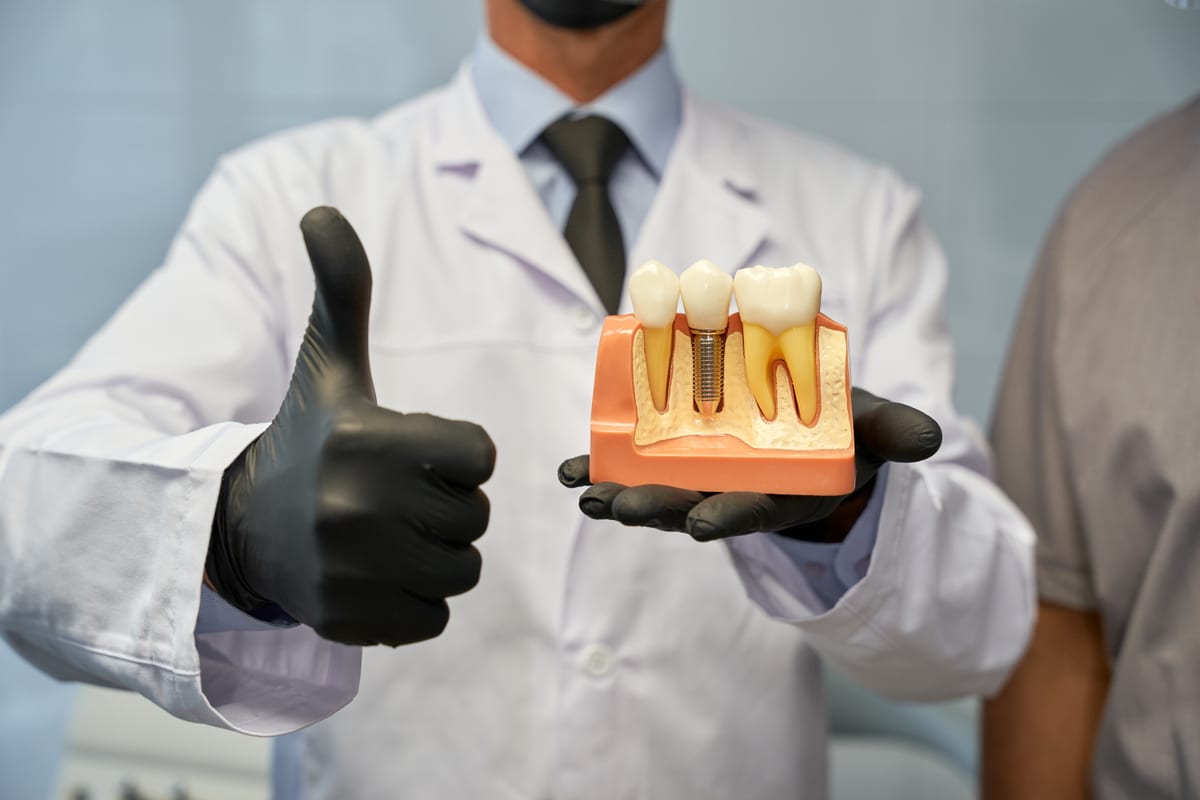

If you are preparing for dental implants in Camp Springs, recovery is probably on your mind. Knowing what to expect after dental implant surgery can help you feel more confident and prepared. At Smile Loft Branch Ave, Dr. Kashyap Patel and our team guide every patient through the recovery process step by step. This article breaks down your recovery timeline and shares practical tips to support a smooth healing journey.
Your Dental Implant Recovery Timeline in Camp Springs
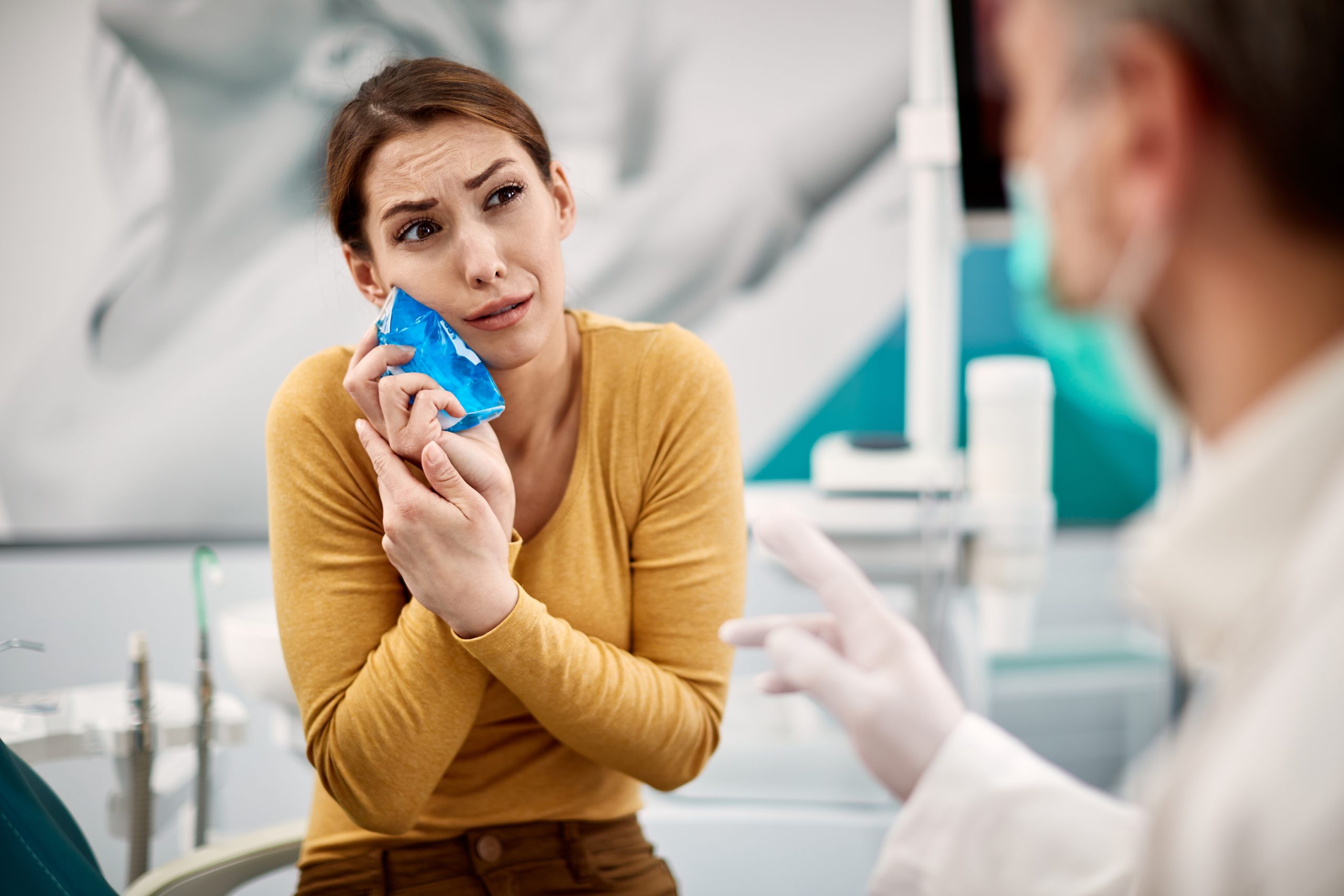
Recovery after dental implant surgery happens in several stages. Most patients experience the greatest discomfort during the first 72 hours. Swelling, mild bleeding, and soreness are common during this period. Understanding each phase helps you recognize what is normal and when to contact your dental team.
Here is a general timeline to follow after your procedure:
- Days 1–3: Expect swelling, tenderness, and minor bleeding. Resting and applying ice packs can help manage discomfort.
- Days 4–7: Swelling usually begins to decrease, and soreness gradually improves.
- Weeks 2–4: The soft tissue around the implant continues healing. Most patients feel more comfortable returning to their regular routines.
- Months 2–6: Osseointegration takes place as the implant gradually bonds with your jawbone.
- 6 Months and Beyond: Your implant may be ready for its final restoration once healing and integration are confirmed by Dr. Patel.
Every patient heals at a different pace. Factors such as bone density, overall health, the complexity of the procedure, and aftercare habits can influence your recovery timeline. Dr. Patel monitors your progress during follow-up visits to ensure everything is healing properly.
Managing Pain and Swelling After Your Procedure
Pain management is a common concern for patients in Camp Springs after dental implant surgery. Fortunately, discomfort is generally manageable with proper aftercare. Dr. Patel provides detailed post-operative instructions based on your specific procedure and recovery needs.
Here are some practical steps to manage pain and swelling:
- Take prescribed or over-the-counter pain medication as directed.
- Apply an ice pack to your cheek for 20 minutes at a time, followed by a 20-minute break, during the first 24 hours.
- Keep your head elevated, including while sleeping, to help reduce swelling.
- Avoid strenuous physical activity for at least 48 to 72 hours or as instructed by your dental team.
- Begin gentle warm saltwater rinses after the first 24 hours if recommended in your post-operative instructions.
Do not ignore pain that becomes worse after the third day. Increasing discomfort may indicate an infection or another complication. Contact Smile Loft Branch Ave promptly if you experience worsening pain, fever, or unusual discharge around the implant site.
What to Eat During Dental Implant Recovery
Your diet plays an important role in the healing process. During the first week, a soft-food diet is generally recommended. Hard, crunchy, or chewy foods can irritate the surgical area and interfere with healing. Choosing the right foods helps protect the implant site while keeping you comfortable.
During the first week, consider eating:
- Yogurt, smoothies, and protein shakes
- Mashed potatoes, scrambled eggs, and soft pasta
- Lukewarm soups (avoid very hot liquids during the first 24 hours)
- Applesauce, bananas, and other soft fruits
- Well-cooked vegetables such as carrots or squash
Avoid hard foods like chips, nuts, raw vegetables, and crusty bread until your dental team confirms that it is safe to eat them. You should also avoid using straws during the initial healing period because suction can disturb the surgical site.
As your comfort improves, you can gradually introduce firmer foods according to Dr. Patel’s instructions.
Once your implant has fully healed and received its final restoration, you can typically return to enjoying a normal diet. This is one of the major long-term benefits of choosing dental implants for missing teeth.
Long-Term Care Tips to Protect Your Dental Implant
Dental implants are designed to provide long-lasting tooth replacement. However, their success depends heavily on how well you maintain your oral health. The habits you develop during recovery can help protect your investment for years to come.
Follow these long-term care tips recommended by Dr. Patel:
- Brush twice daily with a soft-bristled toothbrush, carefully cleaning around the implant crown.
- Floss daily using implant-friendly floss or a water flosser.
- Attend all scheduled follow-up appointments at Smile Loft Branch Ave.
- Avoid smoking, as it can interfere with healing and increase the risk of implant complications.
- Wear a night guard if you grind or clench your teeth during sleep.
Regular dental checkups and professional cleanings help remove plaque and buildup that brushing alone may miss. Treat your implant restoration with the same care and attention you give your natural teeth.
After your implant has fully healed, you may also want to explore cosmetic treatments that complement your restored tooth. Teeth Whitening Treatments Camp Springs can brighten your surrounding natural teeth for a more uniform appearance. If you have minor chips, uneven edges, or small gaps elsewhere, Dental Bonding Camp Springs may also be worth considering.
When to Contact Your Dental Team During Recovery
Knowing when to seek professional help is just as important as understanding what to expect during recovery. Some symptoms are normal after surgery, while others may require prompt attention. Never hesitate to contact Smile Loft Branch Ave if something does not feel right.
Contact Dr. Patel’s office promptly if you experience:
- Pain or swelling that worsens after the third day
- A fever above 101°F
- Visible movement or looseness of the implant
- Persistent numbness or tingling in your jaw or lips
- Signs of infection, such as pus, an unpleasant taste, or unusual odor
Early attention can help prevent minor concerns from becoming more serious complications. Our team in Camp Springs, MD, is here to answer your questions and support you throughout your recovery.
Start Your Dental Implant Journey with Confidence
Understanding what to expect after dental implant surgery in Camp Springs can make the entire process feel less intimidating. Recovery becomes more manageable when you follow your post-operative instructions, choose the right foods, maintain good oral hygiene, and attend your follow-up appointments.
Dr. Kashyap Patel and the Smile Loft Branch Ave team are committed to supporting you at every stage, from your initial consultation through your recovery and final restoration.
Ready to learn whether dental implants are right for you? Book Now to schedule an appointment with our team.
Frequently Asked Questions
How long does it take to fully recover from dental implant surgery?
Most patients feel much better within one to two weeks after surgery. However, complete osseointegration, where the implant bonds with the jawbone, generally takes three to six months. Dr. Patel monitors the healing process during follow-up appointments to ensure everything is progressing properly.
Is pain after dental implant surgery normal?
Yes, mild to moderate discomfort is common during the first three to five days after surgery. Prescribed or over-the-counter pain relievers can help manage soreness. If pain worsens after the third day or occurs alongside a fever, contact Smile Loft Branch Ave promptly.
What foods should I avoid after dental implant surgery?
Avoid hard, crunchy, chewy, or sticky foods during the initial healing period. You should also avoid very hot foods and beverages during the first 24 hours and refrain from using straws. Soft foods such as yogurt, mashed potatoes, scrambled eggs, and smoothies are generally good choices.
Can I brush my teeth after dental implant surgery?
Yes, you can continue brushing your teeth after surgery, but be gentle around the implant site. Use a soft-bristled toothbrush and follow Dr. Patel’s instructions about when and how to clean the surgical area. Continue maintaining good oral hygiene for the rest of your teeth.
How do I know if my dental implant is failing?
Potential warning signs include persistent or worsening pain, movement of the implant, swelling that does not improve, and signs of infection. If you notice any of these symptoms during recovery or after healing, contact Dr. Patel at Smile Loft Branch Ave for an evaluation.