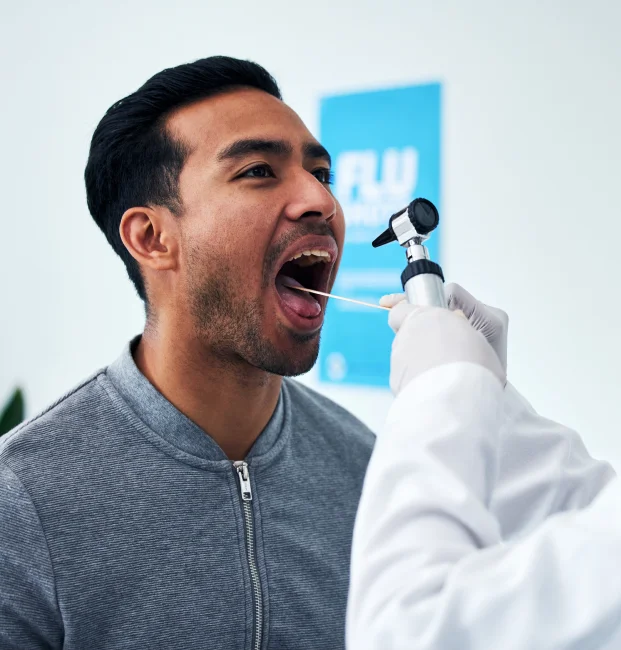
Why Catching Oral Cancer Early Makes a Difference
Oral cancer can usually be treated when diagnosed early. However, in many cases, oral cancer is not diagnosed until it reaches a more serious stage. We recommend that you receive an oral cancer screening annually to check for signs of cancer and other abnormalities when they are in the earliest stages. These screenings can be performed as part of your regular dental exams.
Early oral cancer often causes little or no pain, which is one reason it can go unnoticed. Regular screenings give our dentists the chance to notice small changes in the tissues of your mouth over time, so that anything unusual can be looked at promptly.
Warning Signs of Oral Cancer You Should Not Ignore
Oral cancer includes cancers of the lips, tongue, cheeks, throat, sinuses, floor of the mouth, and the hard and soft palates. Common symptoms of oral cancer include:
- Unexplained bleeding in the mouth
- Lumps, bumps, or rough spots on the gums, lips, or other oral structures
- Oddly colored tissue in the mouth (red, white, or speckled red-and-white patches)
- A persistent sore throat or a feeling that something is caught at the back of your throat
- Sores on the face, neck or mouth that bleed easily and do not heal within a couple of weeks
- Loss of feeling, pain, or numbness in the face, neck, and mouth areas
- Ear pain
- Difficulty chewing, speaking, or swallowing
- Changes in the fit of oral appliances or your bite
If you notice any of these symptoms or have any questions, please contact our office to make an appointment with our dentists. We want to make sure that oral cancer or other conditions are diagnosed as early as possible so that you have an increased chance of successful treatment.
A Quick, Painless Check: What Happens During Your Oral Cancer Screening
If you have never had a screening, knowing what to expect can make it easier. Our team makes it a simple part of your visit.

01
A short conversation
Our dentists ask about any symptoms, such as sores, pain, or difficulty swallowing, and about habits like tobacco or alcohol use, so they know what to look for.
02
A careful look inside your mouth
Using good lighting, our dentists look at your lips, gums, cheeks, tongue, floor of the mouth, palate, and throat for unusual color, texture, or swelling.
03
A gentle feel for lumps or changes
Our dentists feel the tissues of your mouth, jaw, and neck for lumps, tender spots, or swollen lymph nodes.
04
Review and next steps
We tell you what we found. If everything looks healthy, we note it so we can compare at future visits. If something looks unusual, we explain what we saw and what we recommend.
The Benefits of Making Oral Cancer Screening Part of Your Routine
- Early detection: finding changes early can give you more treatment options and an increased chance of successful treatment.
- Quick and painless: screening is a visual and hands-on exam with no needles and no downtime.
- Part of your regular visit: it fits into your dental cleanings and exams, so there is no extra appointment for most patients.
- Checks areas you cannot see: our dentists look at the back of the throat, under the tongue, and along the cheeks and palate.
- Peace of mind: knowing a professional has looked carefully can reduce worry.
- Tracks changes over time: regular checks help us notice anything new or different.
Who Should Get Regular Oral Cancer Screenings?
Screenings are appropriate for most adult patients as part of routine care, and we recommend them annually. Some factors can raise the risk of oral cancer, including:
- Tobacco use of any kind, including smoking and chewing tobacco
- Heavy alcohol use
- Infection with certain types of the human papillomavirus (HPV)
- Extended sun exposure to the lips
- A personal or family history of cancer
- Age, as the risk increases over time
Oral cancer can also affect people with none of these risk factors, which is why we encourage everyone to be screened.
Make Your Oral Health a Priority Today
We want to make sure that oral cancer or other conditions are diagnosed as early as possible so that you have an increased chance of successful treatment. Our team is committed to helping you regain and maintain your oral health.
If it has been a while since your last exam, or you have noticed something unusual, our friendly team in Camp Springs is ready to help. We welcome patients from Largo, Bowie, Lanham, DC, and Virginia too.
Frequently Asked Questions
About Oral Cancer Screenings
An oral cancer screening is a quick exam in which our dentists look at and feel your lips, gums, cheeks, tongue, floor of the mouth, palate, throat, and neck for signs of cancer or other abnormalities. It is usually done as part of a regular dental exam and takes only a few minutes.
No. An oral cancer screening is painless. Our dentists use their eyes and hands to check your mouth, face, and neck, and there are no needles or cutting involved. Most patients barely notice it is happening.
We recommend an oral cancer screening annually, and it can be done as part of your regular dental exams. If you have risk factors, such as tobacco use or a history of oral cancer, our dentists may suggest more frequent checks.
Early signs can include a sore that does not heal within a couple of weeks, lumps or rough spots, red, white, or speckled patches, unexplained bleeding, a persistent sore throat, numbness, ear pain, and difficulty chewing, speaking, or swallowing. These signs can have other causes, but they should always be checked by a professional. Contact our office if you notice any of them.
Tobacco use, heavy alcohol use, certain types of HPV, extended sun exposure to the lips, and a family history of cancer can increase risk. However, oral cancer can occur in people with no known risk factors, which is why regular screenings are recommended for adults.
Dentists are often the first to notice suspicious changes in the mouth because they examine the tissues regularly. Our dentists can recognize signs that deserve a closer look, but they cannot diagnose cancer from an exam alone. If something looks unusual, a biopsy or specialist referral may be recommended to find out for sure.
Finding something unusual does not mean you have cancer. Our dentists may recommend watching the area and re-checking it soon, or they may suggest a biopsy or a referral to a specialist. We will explain what we saw, what the options are, and what happens next, so you are never left guessing.
Oral cancer screenings are usually part of a routine dental exam, and many dental insurance plans cover routine exams, though coverage varies. We work with most major dental insurance plans, and our team can help you review your benefits. If you do not have insurance, ask about the Smile Loft Membership Club.